








Whether you're branding a small business, decorating a denim jacket, or putting together a one-of-a-kind gift, custom embroidered patches turn ordinary fabric into something memorable. They're small, surprisingly durable, and — once you understand the basics — easier to order than most UK buyers expect.
The trouble is choice. Search "custom patches UK" and you'll find hundreds of sellers, dozens of backing options, and a tangle of pricing structures that rarely line up. Polyester or rayon thread? Iron-on or sew-on? Why does one supplier quote £3 a patch and another £15 for what looks like the same thing? It's a lot to weigh up before you've even uploaded a design.
We've shipped over 14,500 patches from our Coventry workshop since 2020, and along the way we've answered the same five buyer questions hundreds of times — often in the same order. This guide pulls those answers into one place. By the end you should know exactly what to ask for and what to expect.
What Exactly Is a Custom Embroidered Patch?
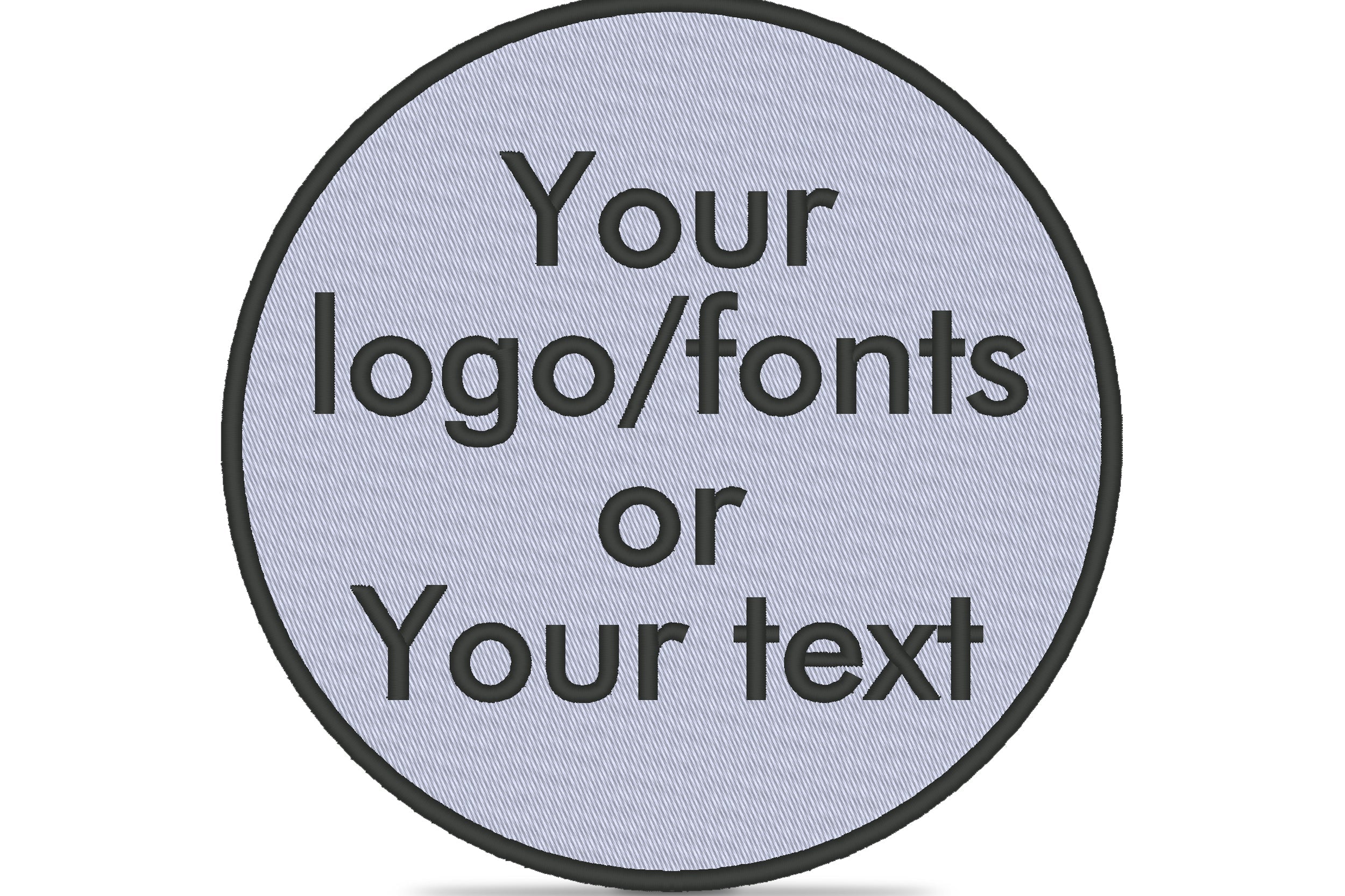
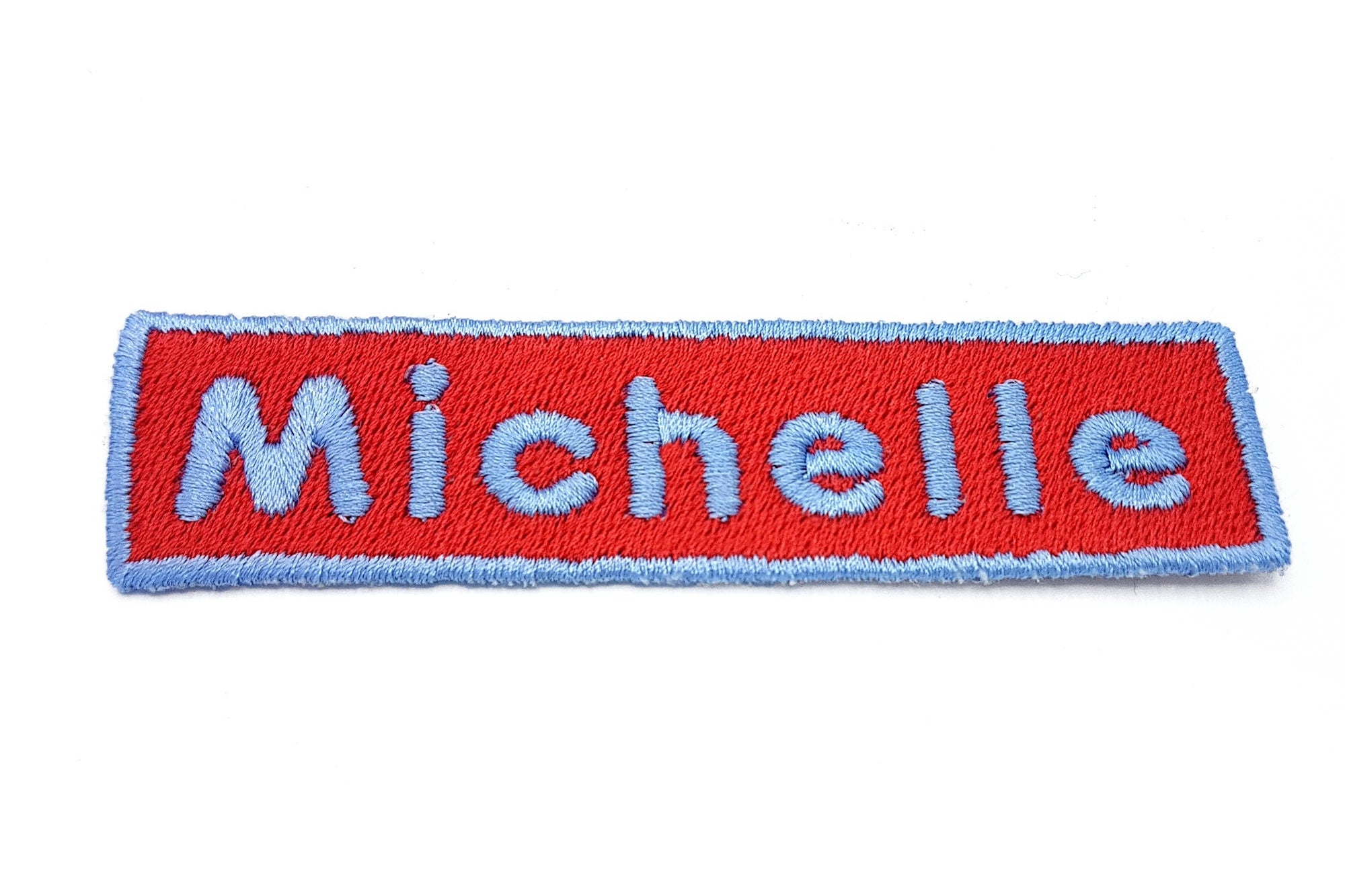
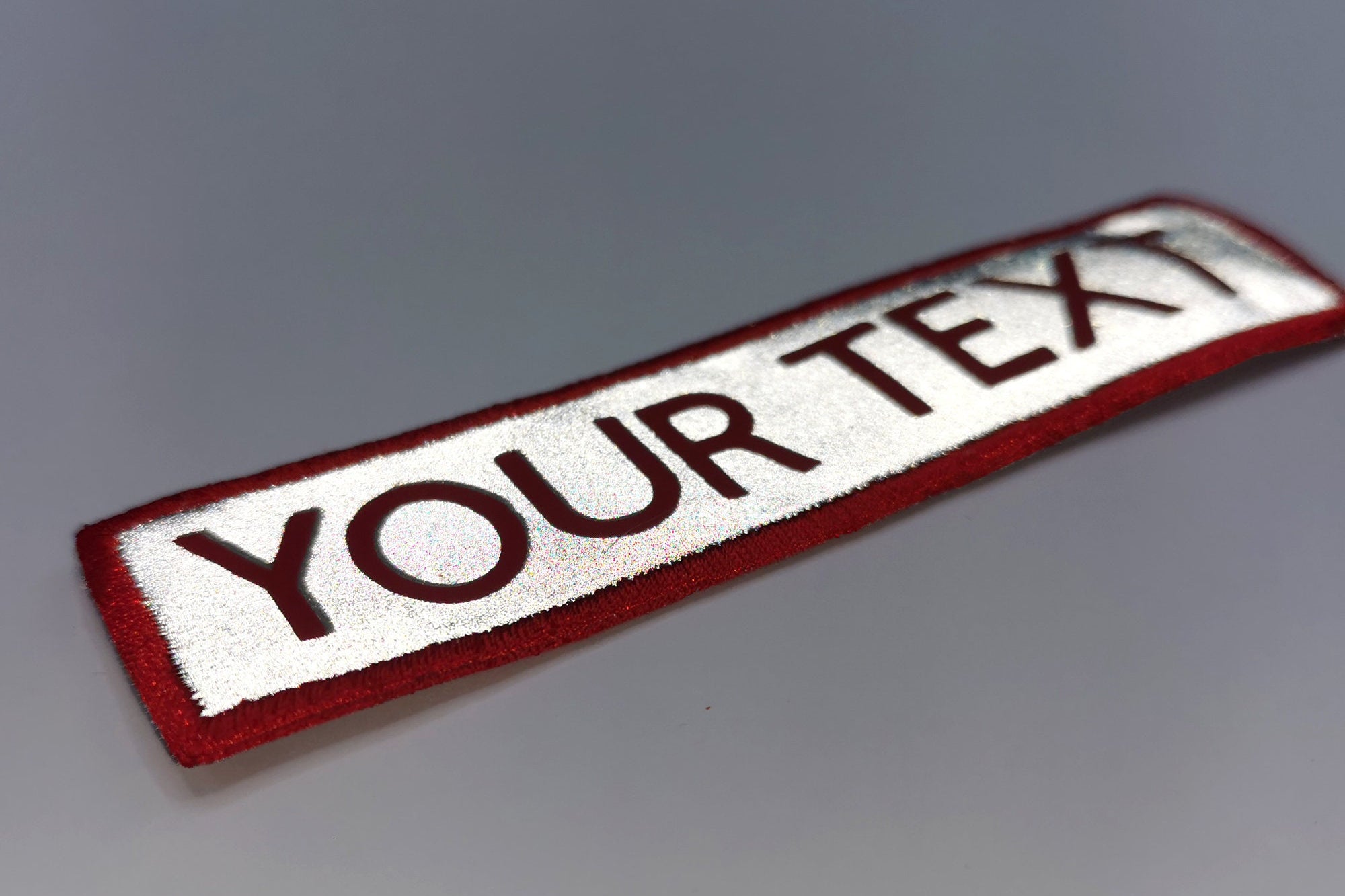
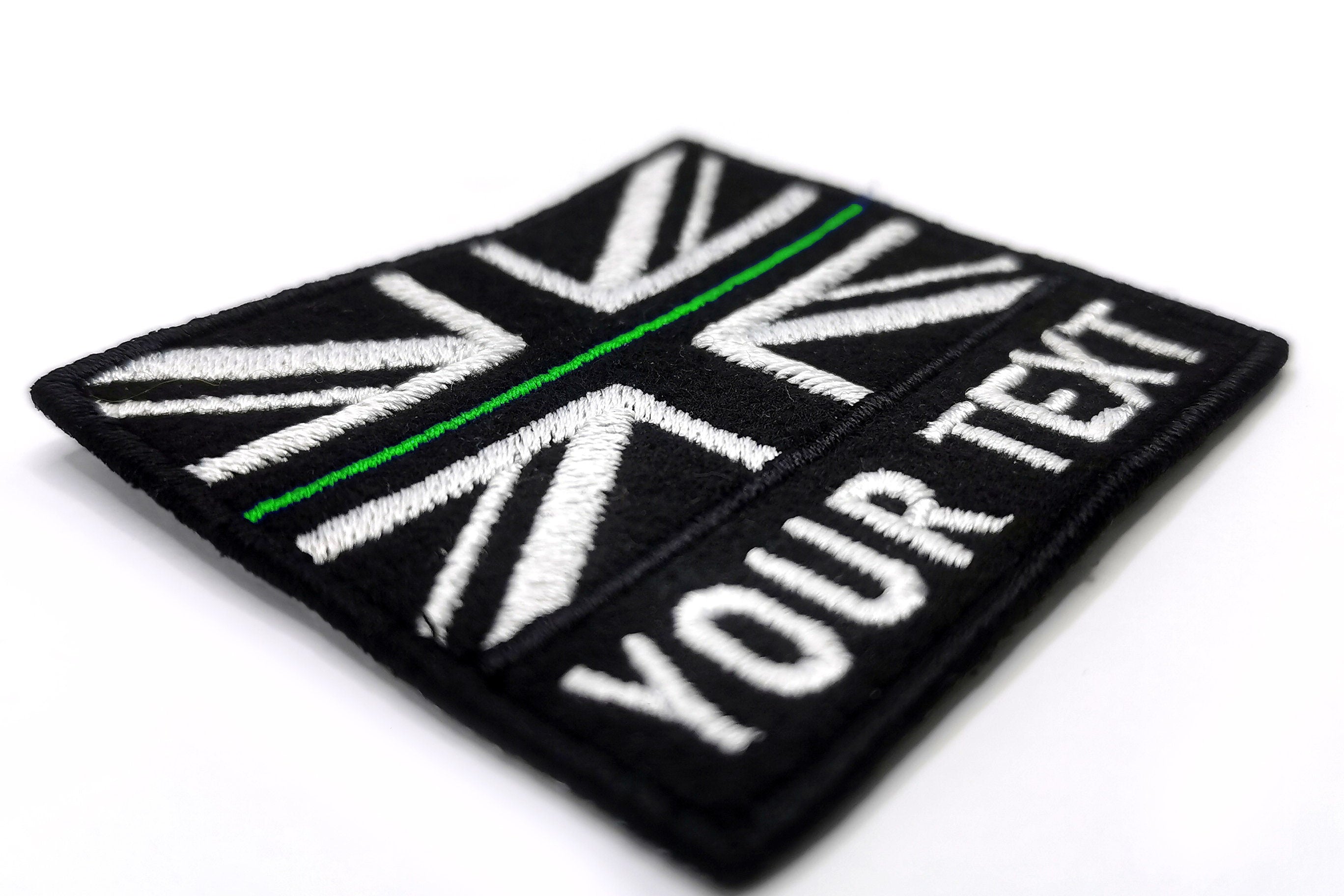
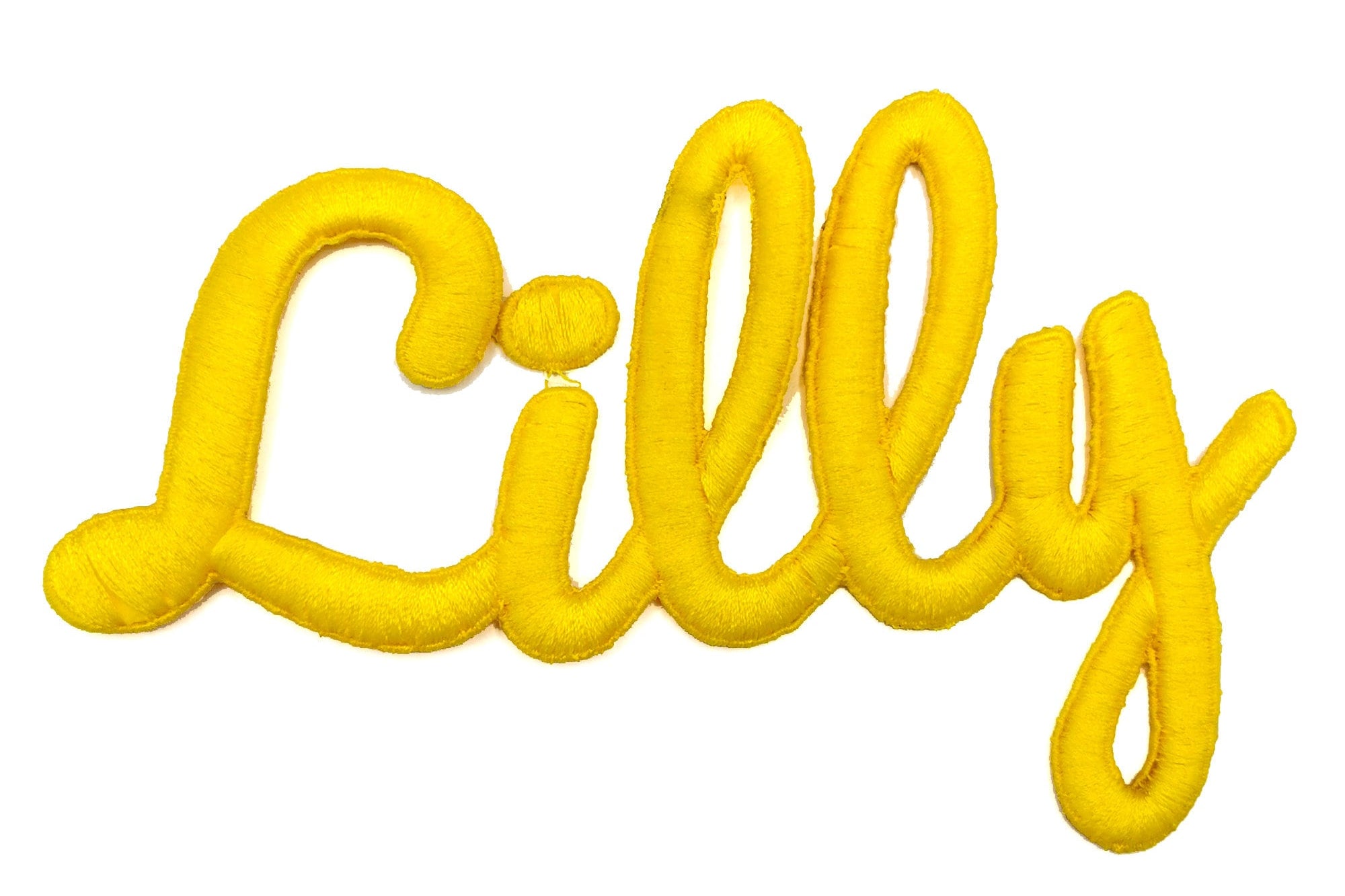
An embroidered patch is, at its simplest, a small piece of fabric with a design stitched into it using coloured thread, finished with a backing that lets you attach it to clothing or gear. Most modern patches use a twill base, a high-density polyester thread, and a heat-sealed border to stop fraying.
It's worth knowing the difference between the three patch families you'll see online:
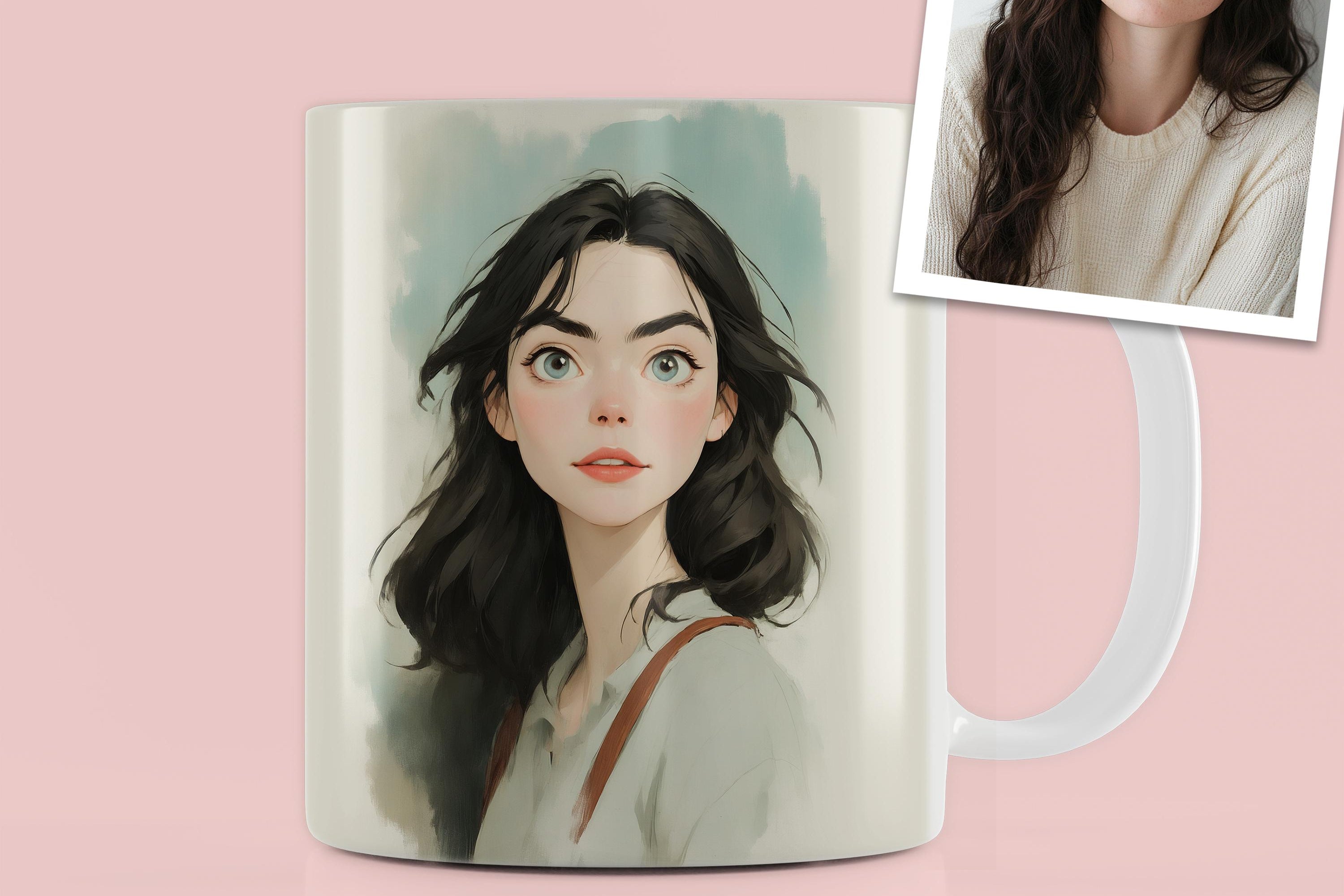
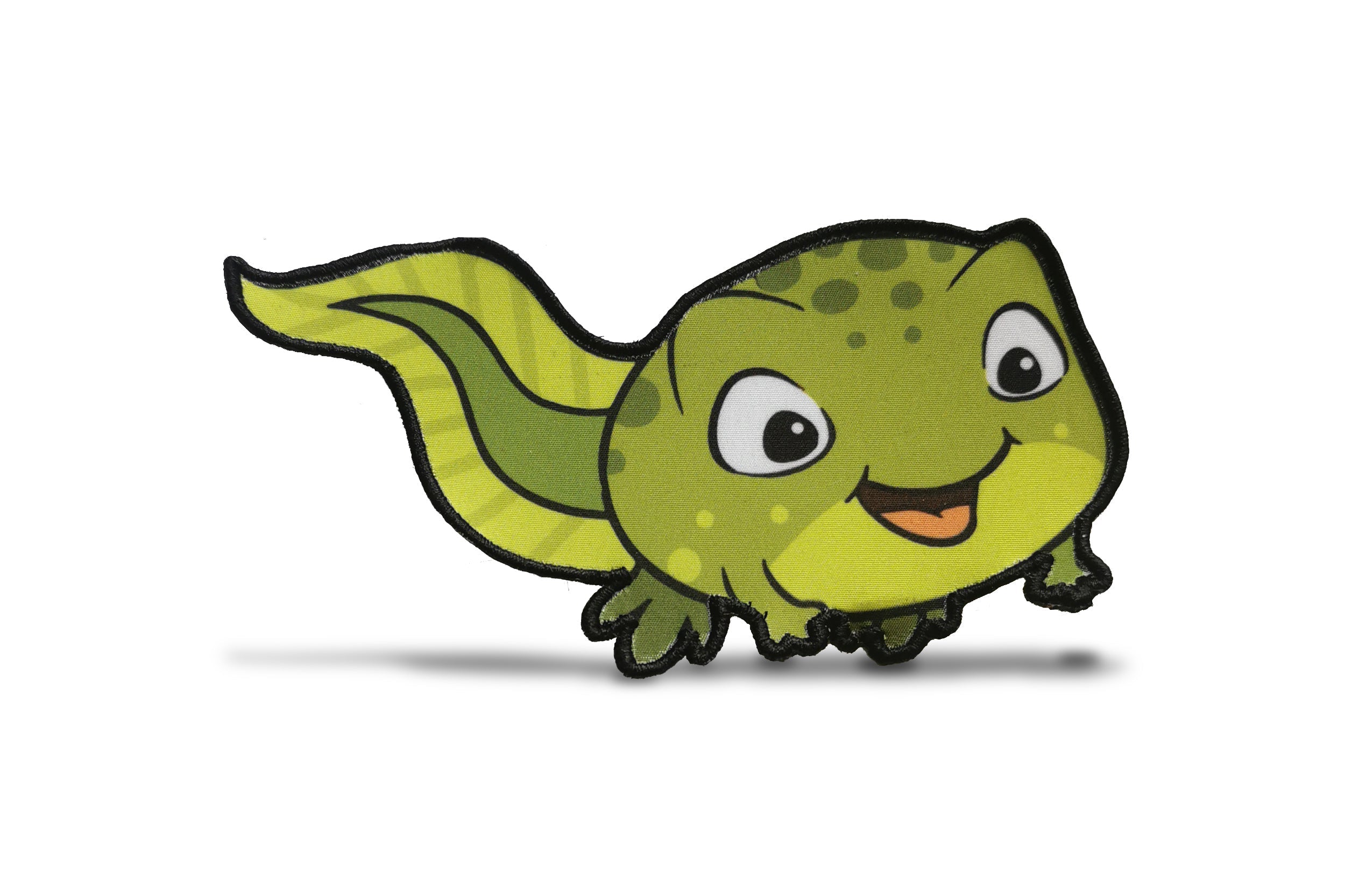
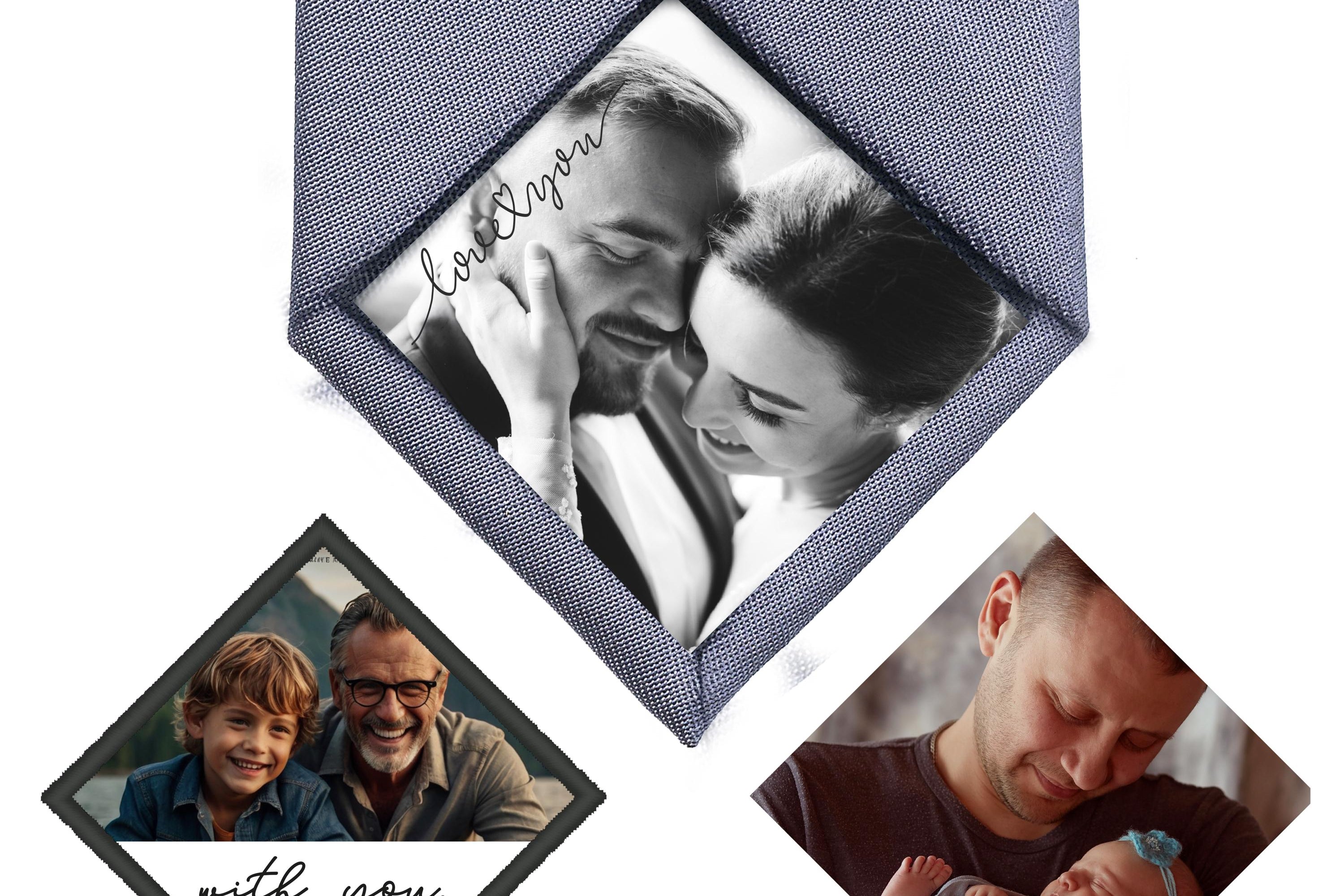
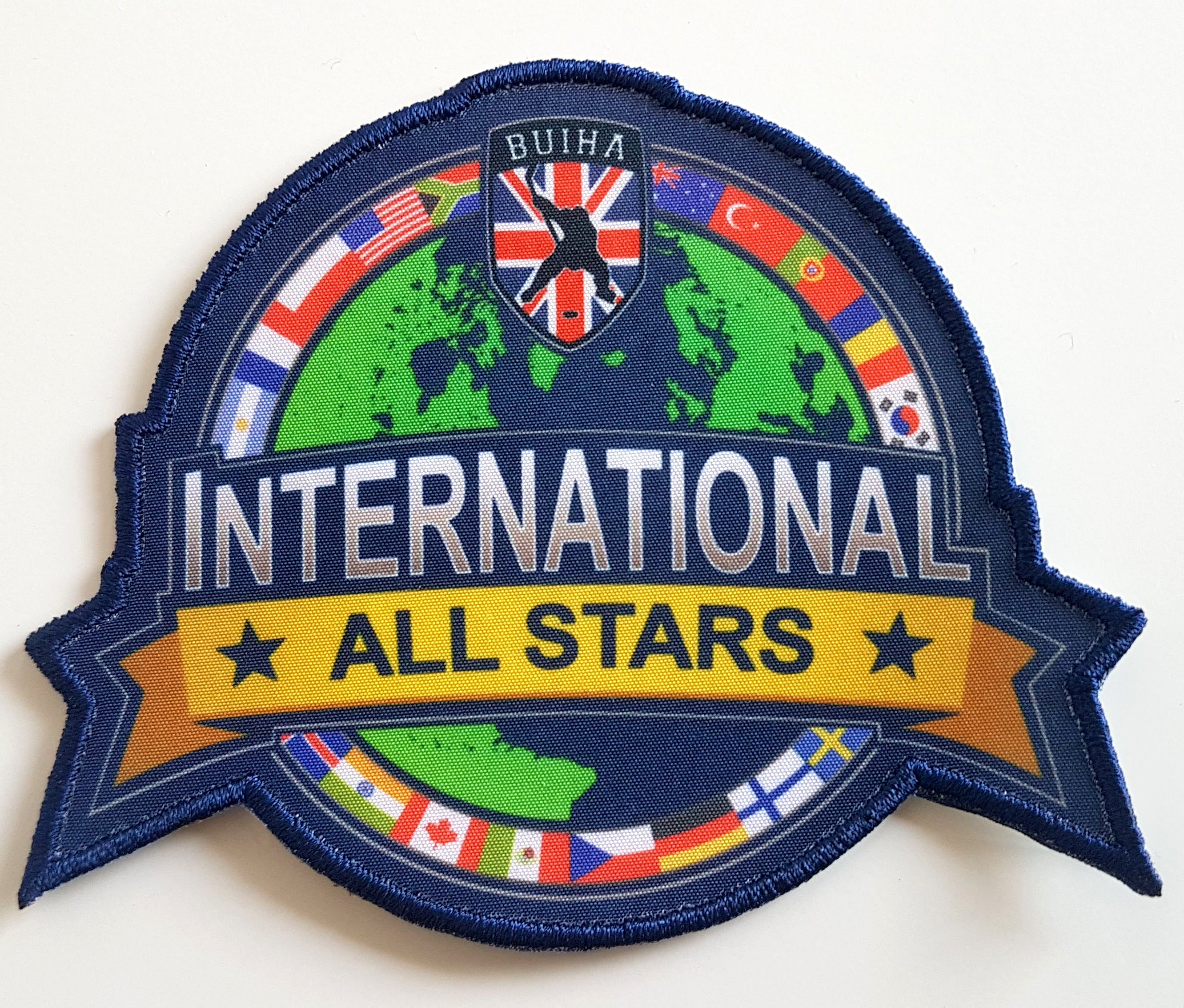
Embroidered patches are stitched, layered, and tactile — thread sits on top of the fabric. This is the classic look: military insignia, scout badges, biker jackets. Woven patches use thinner threads woven directly into the fabric, flat rather than raised, better for tiny detail but less robust. Printed (or sublimation) patches skip stitching entirely — handy for photographs and gradients, but they don't feel like a proper patch and fade faster.
The other distinction worth flagging: UK-made versus imported. Overseas wholesalers often ship identical-looking patches with lower stitch density, weaker backings, and no per-piece quality check. More on that further down.
6 Backing Types: Which One Fits Your Use Case?
Backing is where most first-time buyers get stuck. The patch face might be the star, but the backing decides how long it lasts and how easy it is to apply. Here are the six options we offer in the workshop, with honest notes on when each one earns its keep.
Iron-On (Heat-Applied)
A thin layer of heat-activated adhesive on the back of the patch. Apply with a household iron for around 30 seconds and it bonds to most cotton fabrics — great for first-time buyers and gifts. The catch: it doesn't love nylon, leather, or any fabric that can't take 200°C, and expect 15-25 wash cycles before the edges start lifting.
Sew-On
The most traditional finish — a clean fabric edge stitched around the border by hand or machine. Longer to apply, but once sewn the patch outlasts the garment. The right choice for workwear, military gear, scout uniforms, and anything you plan to keep.
Velcro Hook & Loop
A two-part system — the soft loop sewn onto your garment once, the hook side on each patch — letting you swap designs in seconds. Popular with tactical kit, airsoft players, and morale-patch collectors. It's the most expensive backing (two components instead of one) and the hook side wears after a few thousand cycles, but for modular gear it's the only sensible option.
Adhesive (Peel-and-Stick)
A pressure-sensitive backing for one-time, temporary use. Think event lanyards, signage on cardboard, or a quick fix for an unlined jacket. Don't expect it to survive a wash.
Magnetic
Thin magnets sandwiched into the backing, with a matching magnet behind the fabric. Ideal for corporate wear where you can't pierce the garment — chef whites, hospitality lapels, hotel staff jackets.
Self-Adhesive Polyfix
A modern alternative to iron-on, using a stronger fabric-bonding adhesive that doesn't need heat. Useful for delicate fabrics that can't tolerate an iron.
A quick decision matrix to keep on hand:
| Use Case | Recommended Backing | Why |
|---|---|---|
| Denim jacket, hard-wearing | Sew-On | Survives heavy wash |
| Backpack or tote bag | Iron-On | Quick to apply, low wash exposure |
| Tactical or airsoft vest | Velcro | Swappable, modular |
| Chef whites or hotel uniform | Magnetic | No piercing, easy daily change |
| One-off event lanyard | Adhesive | Disposable, no commitment |
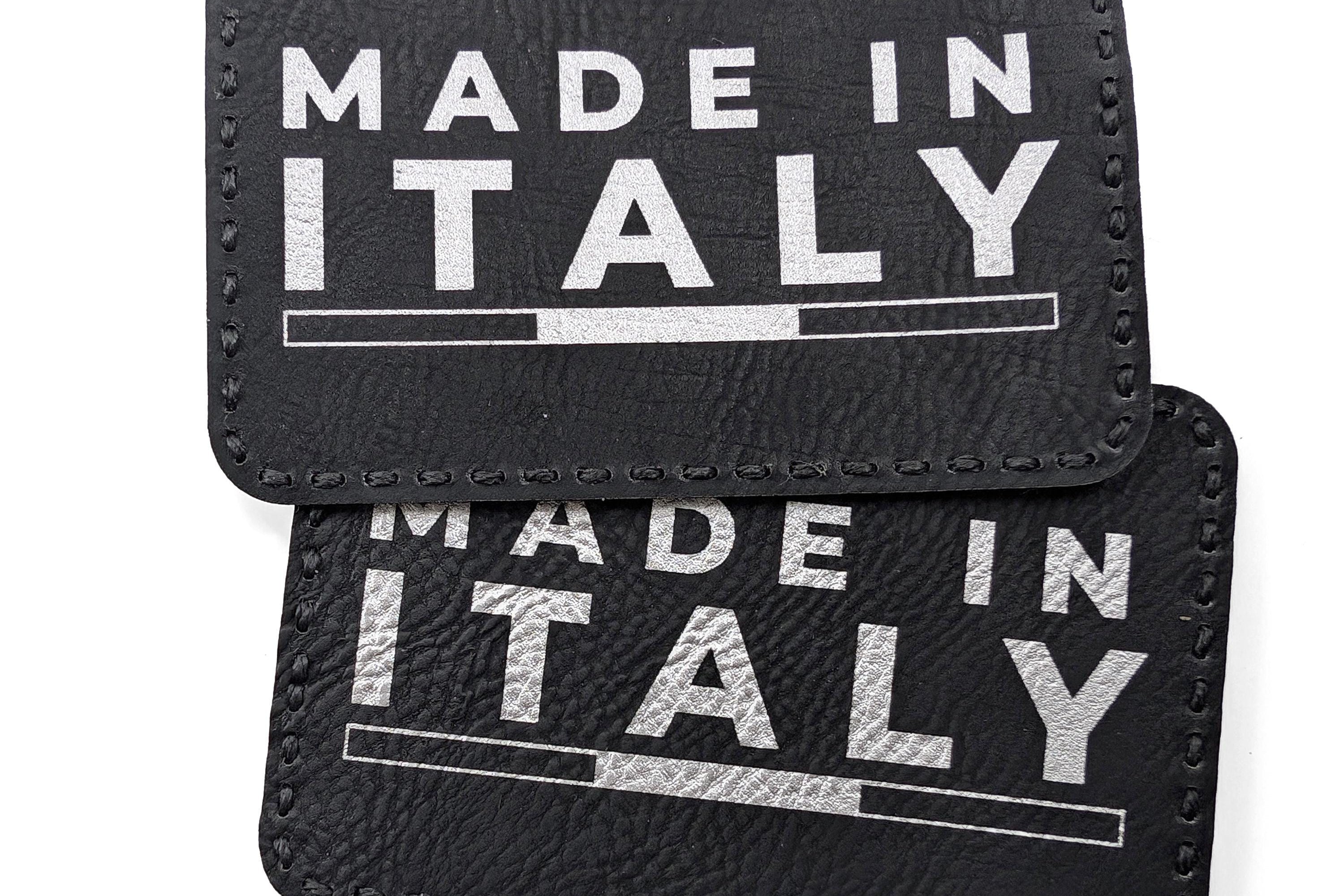
| Leather or nylon | Sew-On or Polyfix | Heat damages these fabrics |
Not sure yet? Browse our patch collection and pick a backing at checkout — every design works with every option.
Thread Options and Colour Matching
The thread you choose changes the final feel of the patch more than most buyers expect. We work with three main types:
Polyester is the workhorse. UV-stable, fade-resistant, and tough enough for outdoor wear. Around 90% of our orders are polyester, and it's what we recommend unless you have a specific reason otherwise.
Rayon has a softer sheen and a slightly silkier hand. It looks beautiful on formal pieces — wedding favours, presentation patches, anything where you want the stitching to catch the light. It's a touch less durable than polyester, so we steer customers away from rayon for workwear.
Metallic thread is exactly what it sounds like — silver, gold, copper. Use it sparingly for accent details. It looks brilliant on a coat of arms or a small monogram, but a whole patch in metallic thread can read as a bit much.
On colour matching: we hold roughly 280 standard thread colours in the workshop and can match to Pantone references for brand-critical work. Send us the Pantone code with your order and we'll match as closely as the thread range allows. There's a small surcharge for custom-spool colours we don't already stock, quoted upfront — and a workshop aside, the most popular UK colours by a long way are navy, black, burgundy, forest green, and a mustard yellow that turns up on a surprising number of pub crests.
Sizing Guide for Different Applications
Patch size is one of those choices that looks straightforward until you see the finished piece on the garment. A 2-inch patch that looks substantial on a cap can disappear on the back of a jacket. The sizes that work in practice:
| Application | Recommended Size | Note |
|---|---|---|
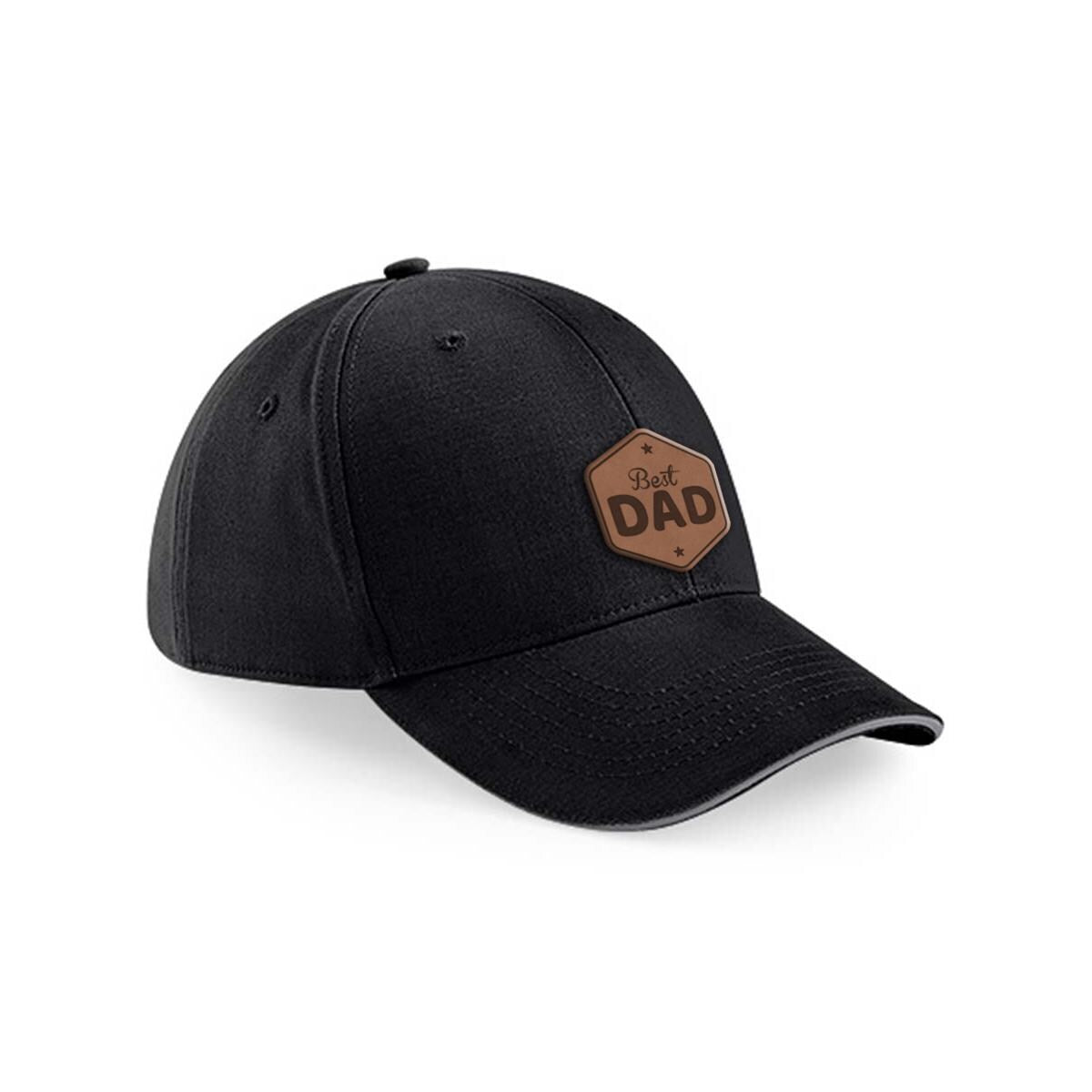
| Cap or hat | 2-3 inches | 2.5″ centred above the brim is the sweet spot |
| Jacket back | 8-12 inches | The showpiece size — smaller gets lost |
| Bag or backpack | 3-5 inches | Readable at a glance, not overpowering |
| Sleeve or arm | 2-4 inches | Traditional military and scout sizing |
| Pet collar or bandana | ~2 inches | Larger catches on harnesses |
A useful rule: if your design has small text or fine line work, size up. There's a minimum readable thread thickness of around 1mm, so cramming detail into a tiny patch produces a blurry result. When in doubt, we'll send a mock-up at your chosen size before any thread touches the machine.
How to Submit Your Design (Or Get One Designed)
We accept any common file format — PNG, JPG, PDF, AI, EPS. Vector files (AI, EPS, SVG) are best because they scale without losing edges, but a clean high-resolution PNG works for nine out of ten orders. The minimum we'd ideally like is 300 DPI at the final patch size.
If you don't have a print-ready file, that's fine. Our in-house design help is free for first-time orders. Send us a rough sketch, a phone photo, or even a description, and we'll send back a mock-up. We do the redrawing, the colour selection, and the stitch plan; you approve or ask for changes. There's no charge unless you need a fresh design built from scratch (rare — most jobs adapt an existing logo).
A handful of common design mistakes to dodge: tiny text under 4mm stitches as a blur — size up or simplify; photographic gradients don't translate to a stitched medium, so block colours and clean line work reproduce better; hairline outlines thinner than 1mm break up in stitching — we'll thicken these slightly when we redraw and show you the change in the mock-up.
The mock-up approval step matters. Once you've signed off, we cut the stitch file and run the patch. Changes after that usually mean a re-run, so give the proof a careful look.
UK Patch Pricing Explained — What You're Really Paying For
Pricing is the bit of patch buying that confuses people most, and it's usually because the cheap-looking quote doesn't include things that the more expensive quote does. Here's how a UK-made patch is priced.
Quantity drives the headline number. A run of 100 patches costs significantly less per-piece than a one-off, because the digitising step (turning your artwork into a stitch file) and the machine setup happen once and amortise across the batch.
Complexity is the second factor. More stitches mean more thread, more machine time, and more inspection — a two-colour text patch and a six-colour heraldic crest of the same size will sit at different price points.
Setup fees are where overseas quotes often hide cost. Some suppliers charge £20-50 upfront to digitise. We don't — it's built into the per-patch price.
A working guide for what to expect on a 3-inch custom embroidered patch (sew-on, polyester thread, up to four colours):
| Quantity | Per-Patch Price (Approx) | Notes |
|---|---|---|
| 1 | £8-12 | Single bespoke order, includes design help |
| 10 | £5-7 | Small business launch quantity |
| 50 | £3-4.50 | Most popular for club kits and team orders |
| 100 | £2.50-3.50 | Bulk wholesale tier |
Why does a UK-made patch cost more than the £0.80 quote you might find from a wholesaler? Three things: living-wage labour, per-piece quality inspection, and the absence of post-Brexit customs surprises (more on that below). When a buyer compares like-for-like — same thread density, same backing strength, same quality check — UK pricing sits within a fair range of the import alternative once shipping and customs are added back in.
How Long Does an Order Take? (UK Production + Delivery)
Lead times are where UK makers genuinely win against imports. Here's our standard timeline:
- Design proof: 24-48 hours. From the moment you place an order with artwork, we'll have a mock-up back to you the same or next working day.
- Production: 2-3 working days after you approve the proof. This covers digitising, machine run, cutting, backing application, and inspection.
- UK delivery: 1-3 working days depending on the service. Free Royal Mail Tracked 48 on every order, with paid upgrades to Tracked 24 and Special Delivery Next Day where you need it.
End-to-end, most single-patch orders are in the customer's hand within five working days. Bulk orders of 50+ patches add a couple of days to the production window. We're honest about rush jobs — sometimes we can fit them in, sometimes the machines are booked solid. If you're working to a deadline, drop us a note before you order.
Caring for Your Patches (Quick Tips)
A well-made patch will outlast most of the garments it's attached to, but a few habits stretch the life further. Wash inside out where possible to keep the stitching edge from snagging on zips and buttons. Keep iron-on patches at or below 40°C; sew-on patches handle hotter washes, but the garment usually doesn't. Air dry rather than tumble dry when you can — repeated heat and friction is harder on patches than the wash itself. And if an iron-on edge starts to lift, 30 seconds with the iron set to cotton (a thin tea towel between iron and patch) usually re-seals the bond.
A full care walk-through with photos is on the way as a separate piece — we'll link to it from here once it's published.
Why Choose a UK-Based Maker?
We're biased, obviously. So rather than rattle off slogans, here are the four things we hear most often from buyers who've moved over to UK-made after trying imports.
Faster delivery, no customs surprises. Overseas patch orders take three to six weeks door-to-door and can trigger a customs fee on arrival. UK to UK is two to three days, all in — the price on the website is the price you pay.
Per-piece quality control. Every patch we ship gets eyeballed by a human before it leaves the workshop. Reject rate sits at around 2%, and those rejects don't reach the customer. A regular Brighton bakery has been ordering stamps and patches from us since 2021 — eleven runs now, all on the first proof. That kind of repeat work only happens when the standard holds.
Real communication. Our workshop has a phone, our emails come from named humans (Mosa, our founder, signs a lot of them), and we work GMT business hours so you're not waiting eight time zones for a reply.
Supporting a small UK business. We're a Coventry team of eight makers. Every patch you order keeps the lights on at the workshop and the wages going out to people who live locally — that's how a small business actually works.
Ready to Start? Here's How
If you've made it this far, you've done more research than 95% of patch buyers. The actual ordering process is shorter than the reading.
- Browse our patch collection at /collections/patch and pick a base product.
- Upload your design — or send a description and we'll mock something up for free.
- Approve the proof within 48 hours.
- Receive your patches in 2-3 working days, with free Tracked 48 shipping anywhere in the UK.
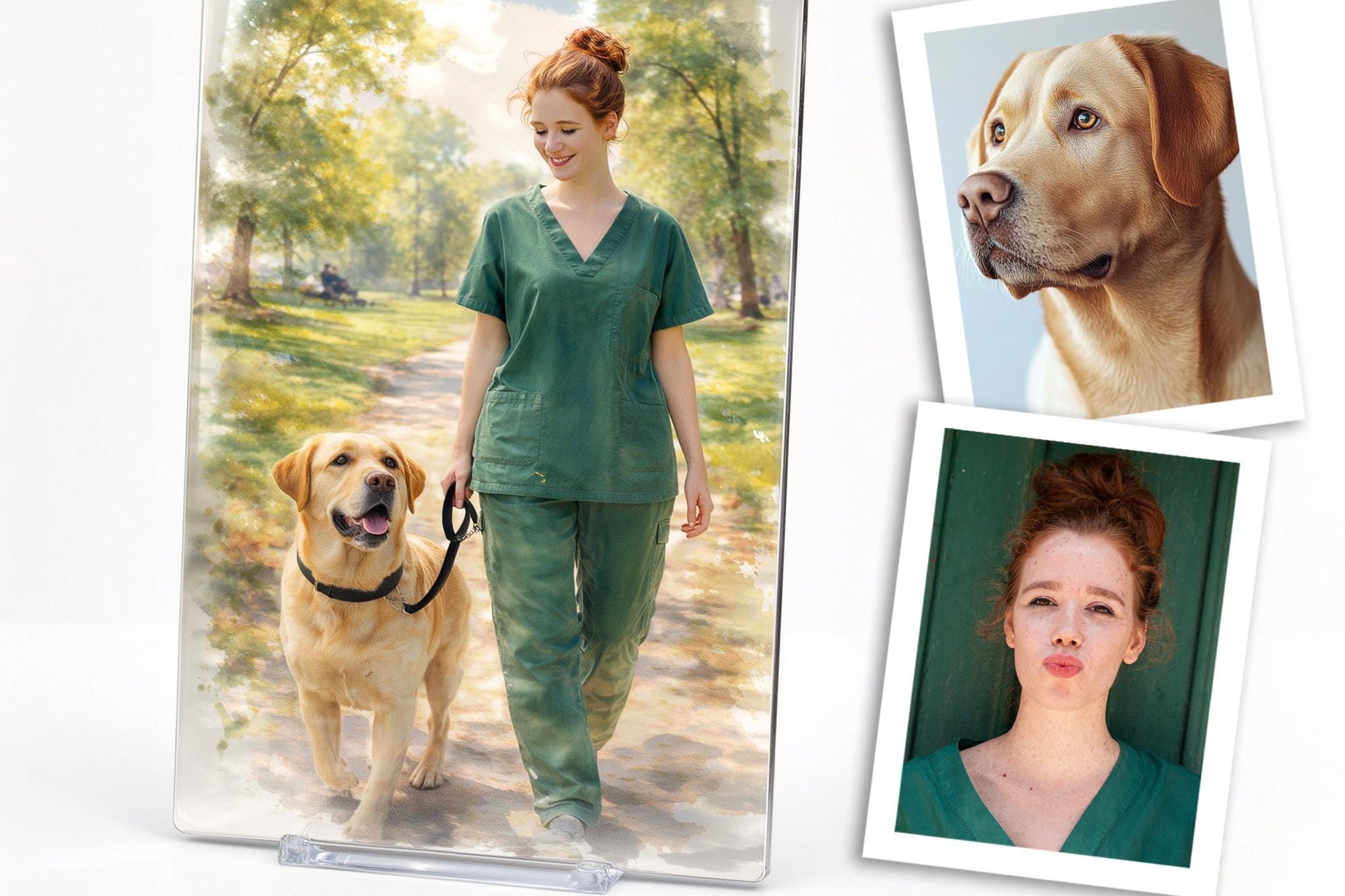
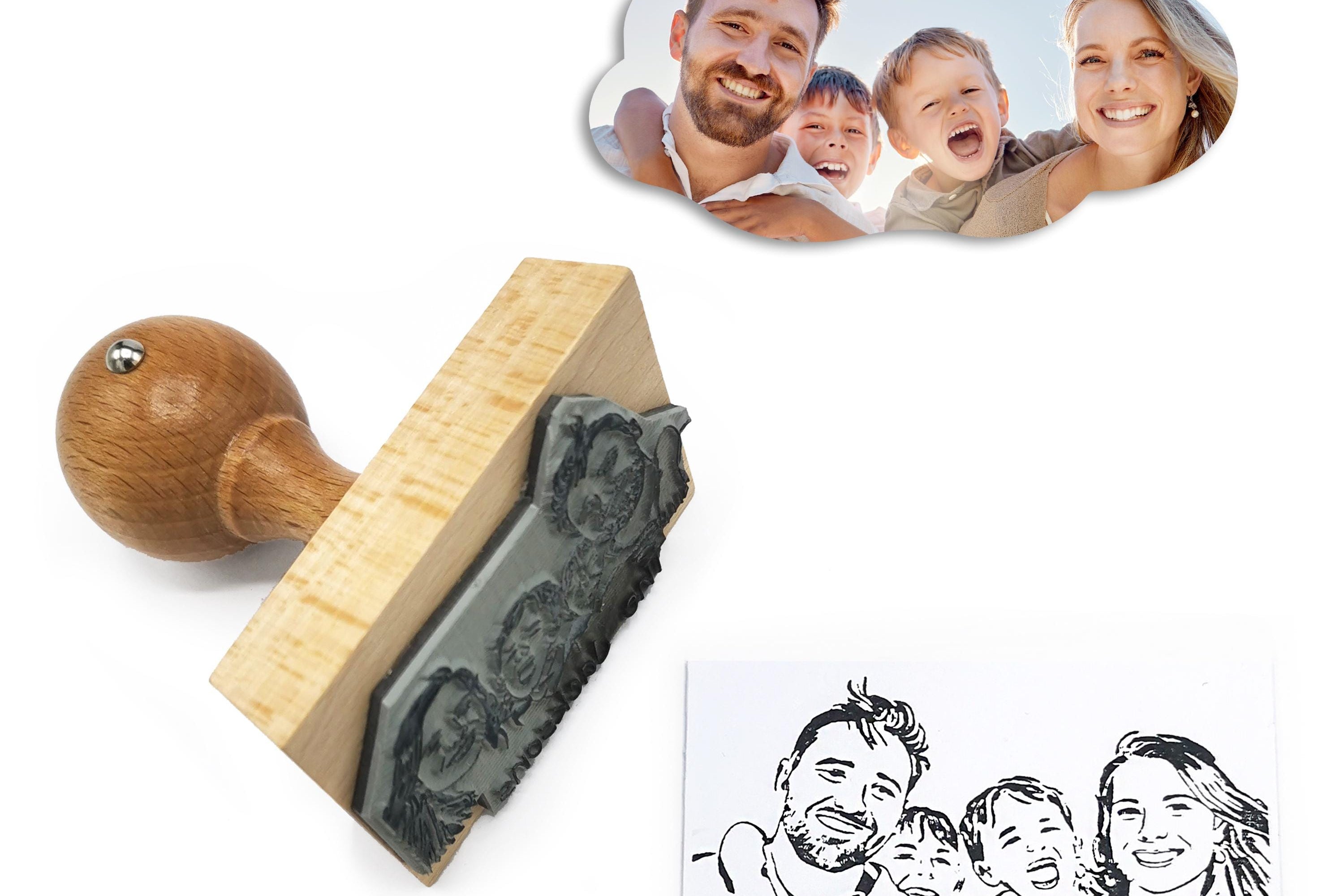
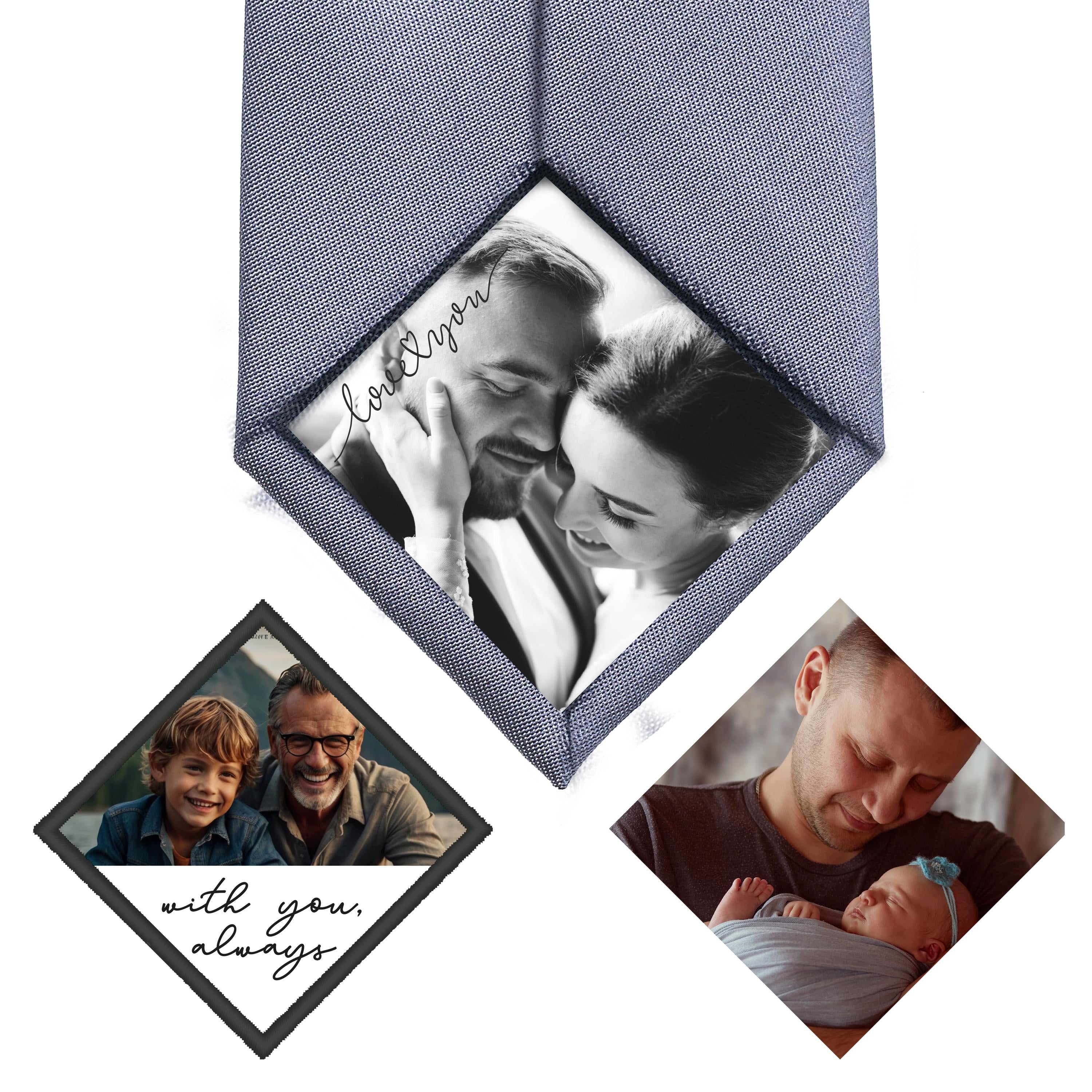
If you'd rather start from a popular base product, our Custom Photo Patch is one of the most-ordered single items on the site — a good gateway into bespoke work.
Frequently Asked Questions
What's the minimum order quantity for custom patches? There isn't one. We'll happily make a single bespoke patch if that's all you need. Per-piece pricing falls quickly as quantity rises, so bulk orders are cheaper, but there's no minimum order threshold.
Can I order just one patch? Yes. A lot of our orders are single, personalised patches — gifts, one-off jacket projects, memorial pieces.
Do you ship internationally? The Shopify site is UK-only for now. For overseas orders, our Etsy shop (SugargeckoLtd) ships worldwide and handles customs paperwork on your behalf.
What if I don't like the mockup? You can ask for changes until you're happy, at no extra charge. We only start production once you've approved the proof, so there's no risk of receiving something you didn't sign off on.
How long do embroidered patches last? A properly made sew-on patch comfortably outlasts the garment — five to ten years of regular wear is normal. Iron-on patches typically run 15-25 wash cycles before the adhesive loosens, which can be re-set with a quick press of the iron.
Can I cancel an order? Orders can be cancelled at no charge any time before you approve the mock-up. After approval, production begins immediately, so cancellations become harder to action — drop us an email as soon as you know and we'll work out the best option.